Imagine: You have the space and the ideas for your project. You want to create a large open-plan kitchen or a home office, or a sunny garden room that you’ve been designing for months.
Before you start building, there is one important question that stops many homeowners: Do you need a planning permission for house extension?
The answer is not always just yes or no. What you need depends on the size, location, and type of building project. It’s important to understand these rules because missing a detail can be very expensive. If you proceed without the necessary permissions, it can make selling the property harder later or even result in orders from the council.
The good news is that there’s a high probability of getting approval. According to Harper Latter Architects, out of 9,200 residential development decisions in one quarter, 7,000 were approved. This shows that with the right preparation and understanding of the rules, the process is easier than it seems.
This guide explains the legalities in simple terms, so you know your alternatives before starting any work. Whether this is your first project or you’re an experienced renovator, these rules apply to most homes in England.
At Cadmap Studio, we use cutting-edge CAD mapping technology to enhance property management for both residential and commercial clients.
What Size House Extension Needs Planning Permission?
If you are asking “what size house extension needs planning permission,” the answer starts with the depth and height of your proposed build.
For single-storey rear extensions:
- Detached Houses: You can extend up to 8 metres from the original rear wall.
- Semi-Detached and Terraced Houses: You can extend up to 6 metres.
These limits apply under the Neighbour Consultation Scheme, also known as the Prior Approval process. If you want to extend beyond these limits, you will need full planning permission.
Height is also crucial. A single-storey extension cannot be higher than 4 metres. If the extension is within 2 metres of a boundary, the eaves height should not go more than 3 metres.
For two-storey extensions, the rules are stricter. The extension cannot be closer than 7 metres to the rear boundary.
When Should You Apply For Planning Permissions
Some situations always need a formal application. These include:
- Extensions that face the road or the front of the property. You cannot use PD rights for front extensions.
- Work on listed buildings or in conservation areas. These places have stringent rules, and even minor changes may require permission.
- Exceeding the maximum size limits mentioned before.
- Any extension that would cover more than half the land area around the original house.
If your property has already had extensions built under Permitted Development rights, those count toward the total limits. Always check before assuming you can build more.
What are Permitted Development Rights?
Before applying for planning permission, it’s important to understand that many home extensions may not require it. Permitted Development (PD) rights allow homeowners to build certain extensions without planning permits.
These rights aim to reduce unnecessary paperwork for small projects with little impact. Think of them as a pre-approved go-ahead for work that won’t change the look of your street or disturb your neighbours.
However, PD rights are limited. There are rules about size, height, and placement that you must follow.
How to Apply for Planning Permission for a House Extension
Understanding how to apply for planning permission for a house extension is clear once you have the right information. Follow these steps:
Step 1: Talk to Your Local Planning Authority First
Firstly, talk to your local planning authority. Many councils offer application advice for a small fee. Getting feedback early can help you avoid a rejected application later.
Step 2: Prepare Your Documents
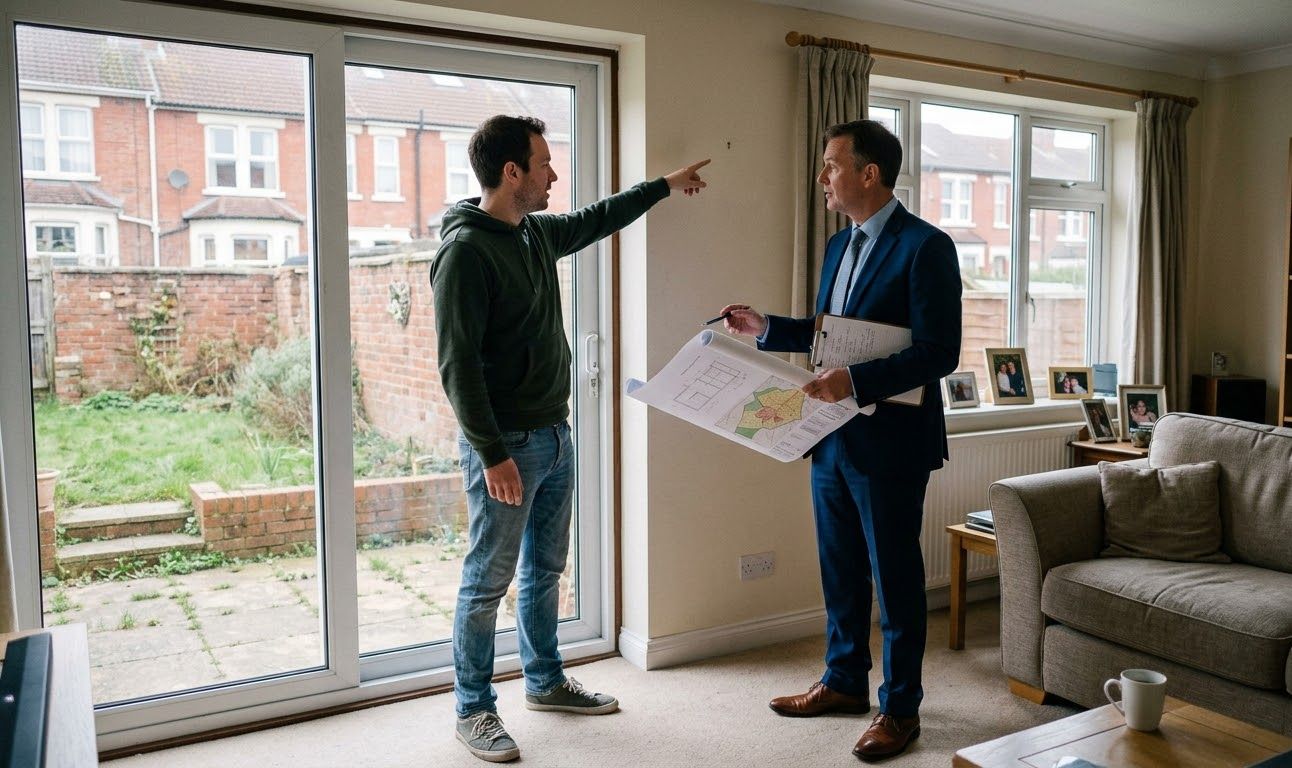
Get ready with your documents. You will require drawings of the proposed extension, including floor plans and elevations, as well as an on-site location plan. An architect can create these for you.
Step 3: Submit Your Application
Once your documents are prepared, submit your application. Visit the Planning Portal site and pay the application fees of £258 as a householder in England.
Step 4: Wait for a Decision
Wait for a final decision after submission of the application. Once submitted, most local councils aim to provide a verdict within eight weeks. Complex cases may take longer.
The Role of an Architect in Your Extension Project
Can you build a house extension without planning permission and benefit from expert assistance? Definitely.
An architect for house extensions adds real value at every stage, whether or not formal planning permission is required. A good architect will do the following:
- Create designs that make the most of your space while staying within permitted development limits.
- Produce accurate drawings needed for a planning application.
- Ensure your build meets Building Regulations, which apply even without planning permission.
- Help you get competitive quotes from contractors.
Their involvement reduces the risk of expensive mistakes and usually leads to a better outcome. Extensions designed by architects often have higher valuations and greater appeal to buyers.
A Few Practical Steps Before Work Starts
Here are some things to do before your extension work begins:
- Speak to your neighbours before work starts. While it’s not a legal requirement, good communication helps reduce tension, especially around shared boundaries or privacy issues.
- Check whether your property is subject to an Article 4 Direction. These are local rules that limit certain development rights in specific areas. Find this information on your local council’s website.
- Apply for a Lawful Development Certificate if you are using PD rights. Although it is not required, it gives you official confirmation that your extension is legal. This document is very useful when you sell your property.
Conclusion
Understanding the rules for a house extension can be hard, but having clear information makes any building project easier. You may not always need planning permission, but factors like the type of property, the height of the extension, and the total area will determine what is required.
Checking these details early on protects your financial investment and gives you peace of mind. A project that starts with a clear understanding of the rules is more likely to stay on schedule and within budget.
If you still have questions, talking to a local architect or your local planning authority can give you specific answers for your area. Building a home you can be proud of starts with making sure every aspect is legal and done with confidence.