Buying a new home is exciting. The smell of fresh paint and a clean kitchen make it feel perfect. However, even new homes can have hidden problems.
Many buyers ask: “Do you need a survey on a new build?” Even if a home looks perfect, it can still have hidden problems, such as structural issues, poor finishes, or drainage issues. A property survey helps you understand the home’s condition before you finalise the purchase.
A recent report from HOA illustrates that 93.7% of new-build buyers in the UK found defects after moving in, with more than a quarter reporting 15 or more issues. Just because a home is “new” doesn’t mean it is “flawless.” To reduce these risks, accuracy is crucial.
Let’s explore if your new home needs a survey and how you can go about it.
Why New Builds Still Need Surveying
Imagine this: you move into your new home, get settled, and after a few months, you spot damp patches on the walls or notice the doors don’t close properly. These issues are common. They’re among the most frequent problems reported by new home buyers across the UK.
Builders often work under tight deadlines. This pressure can lead to shortcuts, resulting in defects. A new build survey offers a professional check on the property before these issues become your responsibility.
Types of New Build Surveys
There are different types of survey, and the right one depends on what you find. Here’s a simple breakdown:
Snagging Survey
A snagging survey is the most popular choice for buyers of new homes. It checks the finishing details, such as the following:
- Cracked tiles
- Uneven paint
- Stiff windows
- Misaligned doors
This survey provides you with a written list of any issues to give to your builder before you move in. Most reliable builders will fix these problems for free if you alert them early enough.
Structural Survey
A structural survey checks the building’s bases, walls, roof, and materials. It identifies risks such as subsidence, poor load-bearing, or inadequate insulation. This survey is helpful for larger properties or those built on difficult land.
According to Intelligent Insurance, insurance companies in the UK paid out £153 million for subsidence claims to about 9,000 households in the first half of 2025. The average payout was £17,264. A structural survey could help you avoid this kind of expense fully.
Drainage Survey
A drainage survey checks that your pipes, drains, and drainage systems are installed properly and are free of blockages. If your drainage fails, you could experience flooding, dampness, and expensive damage to your property. Getting this assessed early on can save you thousands.
For a clearer picture of what a drainage survey involves and when you genuinely need one, explore this practical drainage survey guide for expert insights.
Land Survey
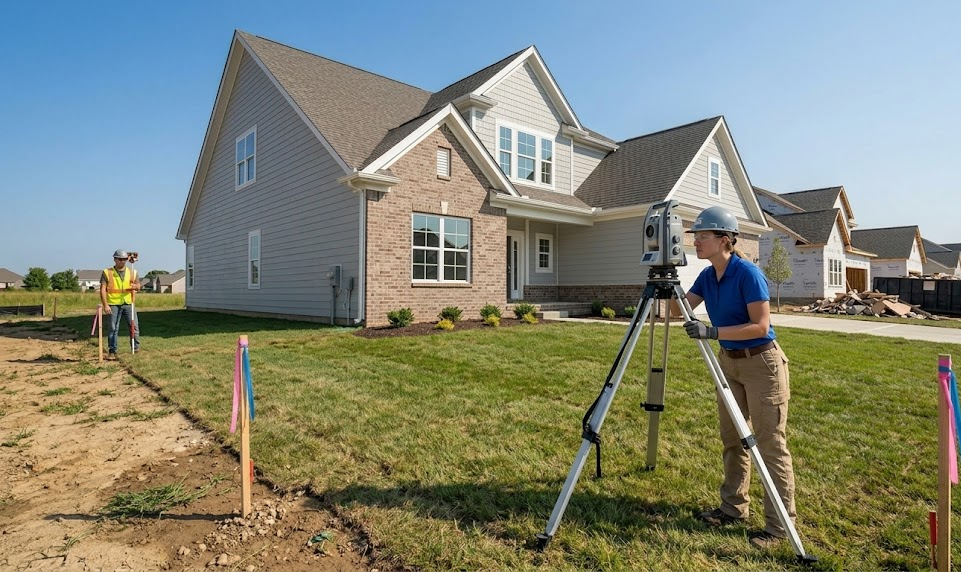
A land survey examines the ground beneath your home. It checks soil quality, elevation, and environmental factors that may affect the property in the long term. This is vital for new developments on land that was once industrial and is prone to flooding.
Asbestos Survey
Buyers overlook the importance of an asbestos survey for new buildings, mainly when the land has previously supported structures. Demolishing old buildings can disturb asbestos-containing materials. So, having a qualified surveyor inspect the site ensures safety.
For expert surveying services, Callidus Surveys offers many options suited to new-build buyers.
What Happens If You Skip the Survey?
If you overlook the survey, you risk buying a property without knowing its condition. Any issues that you don’t spot before finishing the purchase will become your responsibility as soon as you sign the contracts. Without a survey report, it’s difficult to resolve any problems with the developers.
Do you need a homebuyers survey on a new build? It’s not a legal requirement in the UK, but getting a homebuyer survey is a smart choice. This survey assesses the home’s overall condition and highlights any issues that require further attention.
Step by Step: How to Get a New Build Surveyed
Here are some steps to get a new build surveyed:
- Book Early: Arrange your survey before you exchange contracts.
- Choose the Right Survey Type: A snagging survey suits most buyers. Consider adding drainage, structural, or asbestos if needed.
- Hire a Qualified Surveyor: Look for a RICS registered professional.
- Review the Report Carefully: Understand which issues are urgent and which can wait.
- Send the Report to Your Developer: Request repairs in writing before survey completion.
- Follow Up: Confirm all agreed repairs are done before you move in.
Is a Survey Worth the Cost?
It is absolutely worth getting a survey on a new build. The initial cost is low compared to the protection it provides.
The new build snagging price typically ranges from £250 to £600, depending on the size of the property. When you compare tasks like replastering a wall, replacing a broken boiler, or fixing a collapsed drain, it’s clear which one is more cost-effective.
Final Thoughts
Buying a new home is a big investment that needs protection. Getting a survey is an important step and shows you are being careful, not distrustful. Whether you choose a snagging survey or a structural check, having professionals review the work gives you confidence before completing the deal.
Don’t let the excitement of a new build stop you from being clear-eyed about its condition. Hire a surveyor to fully understand the property.
At Cadmap Studio, we utilise modern CAD mapping technology to enhance property management for both residential and commercial clients.
For expert advice on any property, we are ready to help you manage the whole process carefully. Contact us for more information.